Sex workers have always been at the front lines of social change-even when no one was watching. From street corners to digital platforms, they’ve organized, spoken out, and built networks that challenge stigma, demand safety, and push for legal reform. But activism doesn’t always look like marches or protest signs. Sometimes, it’s a mural painted on a shuttered storefront in Berlin, a TikTok video explaining consent in five languages, or a poetry slam in Vancouver where a former sex worker reads lines that make the whole room hold their breath. Activism is everywhere-and it’s often quieter, more personal, and more powerful than we realize.
For some, the journey starts with sharing their story. A woman in London, tired of being called a "problem" by the media, started a blog that turned into a zine series. She wrote about rent hikes forcing her off the streets, how police raids destroyed her savings, and how clients sometimes became friends. One post ended with a link to euro girls escort london-not to promote a service, but to show how the same language used to sell companionship online is also used to erase humanity. The post went viral in activist circles. It didn’t change the law, but it changed how people talked about sex work.
Art as Resistance
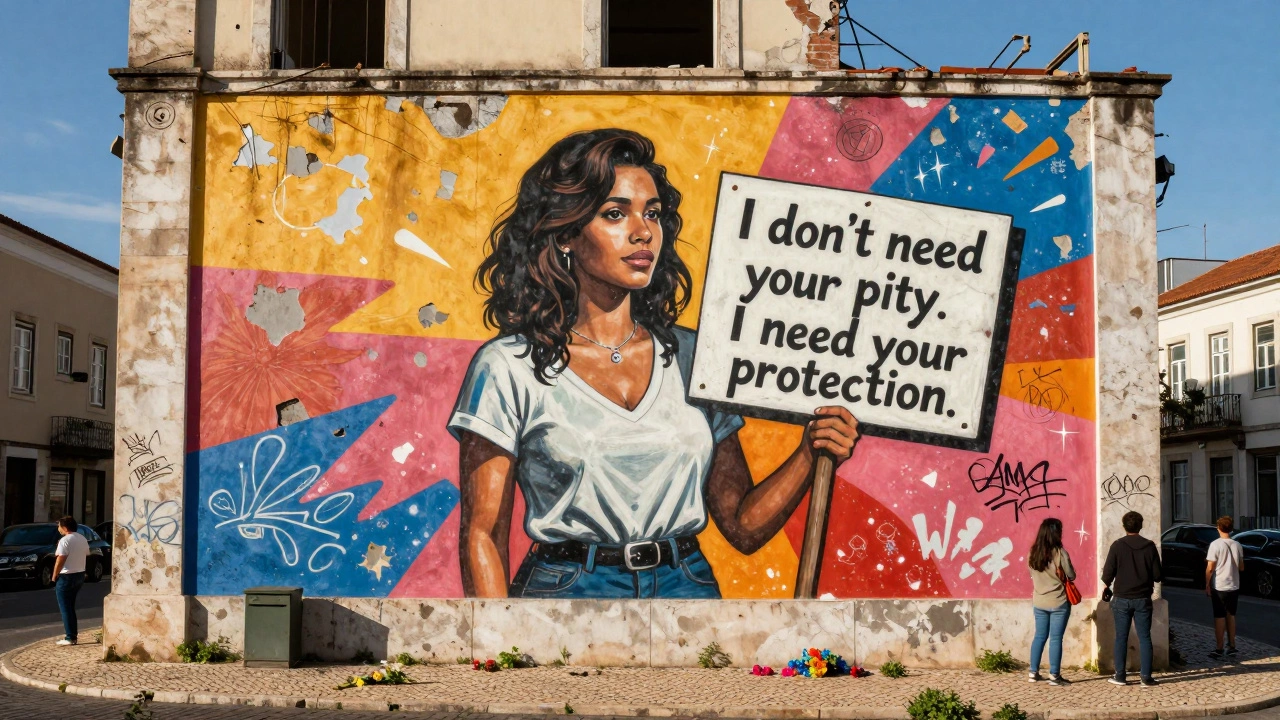
Street art has long been a tool for marginalized communities to reclaim public space. In Lisbon, a collective of sex workers painted a 30-foot mural on the side of an abandoned bank. It showed a woman holding a sign that read: "I don’t need your pity. I need your protection." Locals started leaving flowers at the base. Tourists took photos. The city tried to paint over it twice. Each time, the artists returned with more color. Art doesn’t need permission to speak. It just needs people to look.
Performance art is another form. In Montreal, a group called Red Umbrella Theatre stages short plays in subway stations. One scene shows a sex worker reading a newspaper headline: "New Law Cuts Funding for Harm Reduction." She looks up, smiles, and says, "Funny. I thought we were the ones being reduced." The audience doesn’t clap. They sit. Then they leave thinking.
Digital Organizing, Real Impact
Online platforms are no longer just spaces for work-they’re organizing hubs. Sex workers use encrypted apps to share safety tips: which neighborhoods to avoid, which clients have been reported, how to verify IDs without giving away personal info. Groups like SWOP (Sex Workers Outreach Project) run virtual peer support circles across time zones. In 2024, a coalition of sex workers from 17 countries launched a global digital petition. It didn’t ask for sympathy. It asked for decriminalization. Over 2.3 million signatures poured in. The United Nations cited it in a report on human rights.
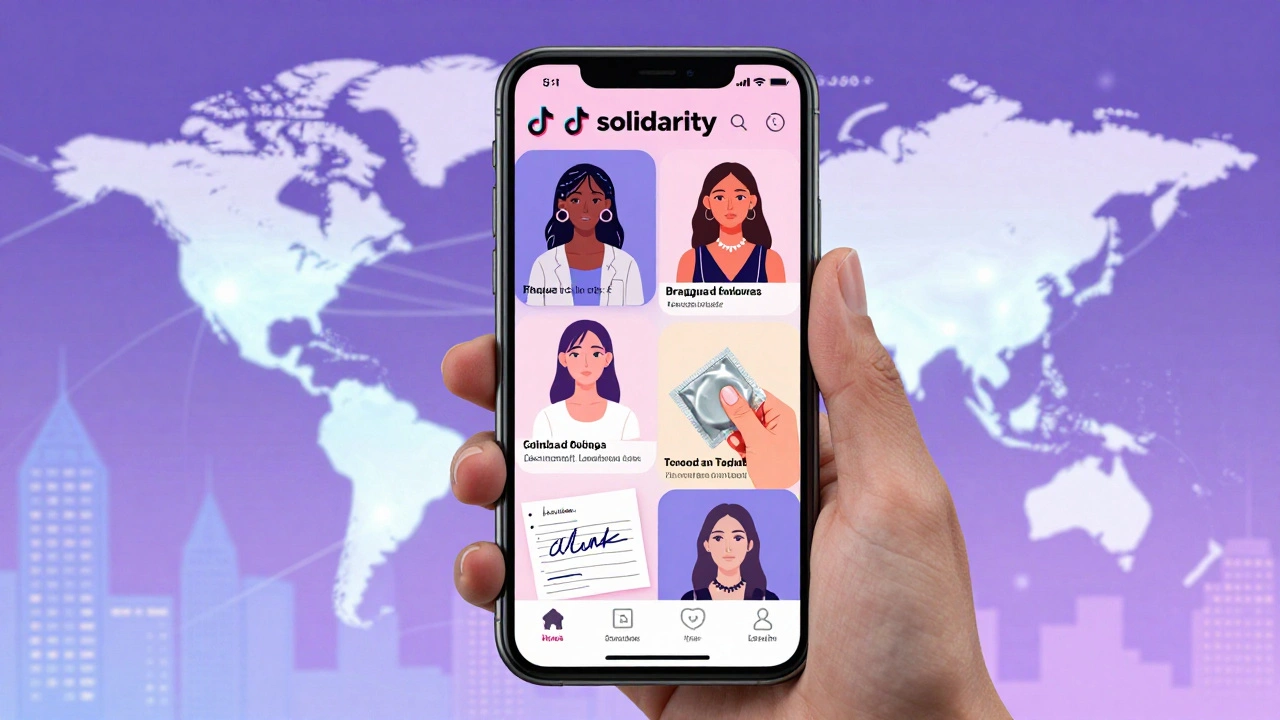
Instagram and TikTok have become unexpected tools. Creators post short videos explaining the difference between legalization and decriminalization. One creator, based in Prague, uses animations to show how criminalization leads to violence. Another, in Toronto, films herself reading letters from clients who say, "You made me feel human again." These aren’t ads. They’re testimony.

Community Care Over Charity
Traditional nonprofits often approach sex work with a savior mindset: "We’re helping them escape." But many sex workers don’t want to escape-they want to be safe while doing the work. That’s why mutual aid networks are growing. In Berlin, a group called "Kontakt" runs a weekly drop-in center. No forms. No questions. Just hot meals, clean needles, free condoms, and someone to sit with you if you’re scared. Volunteers include former sex workers, nurses, and students. No one gets paid. But everyone stays.
These networks also provide legal support. When a worker is arrested, someone from the group shows up with a lawyer. When a landlord threatens eviction, they help draft a letter citing housing rights. When a client steals money, they help file a police report without forcing the worker to out themselves. It’s not charity. It’s solidarity.
Changing the Language
Words matter. Calling someone a "prostitute" implies crime. Calling them a "sex worker" recognizes labor. But language goes deeper. Saying "they chose this life" ignores the lack of options. Saying "they’re victims" erases agency. The best activists don’t just change what we say-they change how we listen.
In Sydney, a campaign called "Say Their Names" asks media outlets to stop using anonymous sources like "a 24-year-old woman." Instead, they publish full names-with permission-when someone is killed or injured. It forces the public to see real people, not statistics. In 2023, after three sex workers were murdered in the same city, local news outlets agreed. For the first time, their names appeared on the front page. Not as victims. As people.
Even advertising language is being reclaimed. The phrase "euro girl escort london"-often used to sell fantasy-has been repurposed by activists to highlight how language is weaponized. One poster in Manchester reads: "You search for euro girl escort london. We search for safety. Who gets heard?" It’s not a critique of the search term. It’s a mirror.
Global Solidarity, Local Action
Sex worker rights aren’t just a local issue. They’re global. In the Philippines, sex workers formed a union and won the right to be included in national disaster relief plans. In Kenya, they partnered with HIV clinics to distribute PrEP without requiring ID. In Brazil, they lobbied for a law that lets them register their work as self-employment.
But change doesn’t always come from big laws. Sometimes, it comes from a single conversation. A teacher in Oslo who learned her neighbor was a sex worker and stopped treating her like a ghost. A bartender in Chicago who started refusing to serve clients who insulted sex workers. A teenager in Buenos Aires who wrote a school essay titled, "Why I Don’t Think My Mom Is a Criminal."
Activism isn’t about waiting for permission. It’s about showing up-with your voice, your art, your pen, your phone, your silence, your presence. You don’t need a megaphone. You just need to care enough to notice.
What You Can Do Right Now
- Follow sex worker-led organizations on social media. Don’t just like posts-share them.
- Call out harmful language when you hear it. Say, "That’s dehumanizing," instead of staying quiet.
- Donate to mutual aid funds, not just big NGOs. Look for groups run by current or former sex workers.
- Ask your local representatives: Do our laws protect sex workers, or punish them?
- Read books by sex workers. Not about them. By them.
There’s no single way to be an ally. But there’s one rule: center the voices of those living it. Not your interpretation. Not your pity. Their truth.
And if you ever feel like your voice doesn’t matter? Remember: the first time a sex worker spoke out in public, they were told they’d be silenced. They weren’t. They’re still speaking.
Next time you hear "euro escort girls london," don’t scroll past. Ask: Who’s behind that search? And what do they need to be safe?
